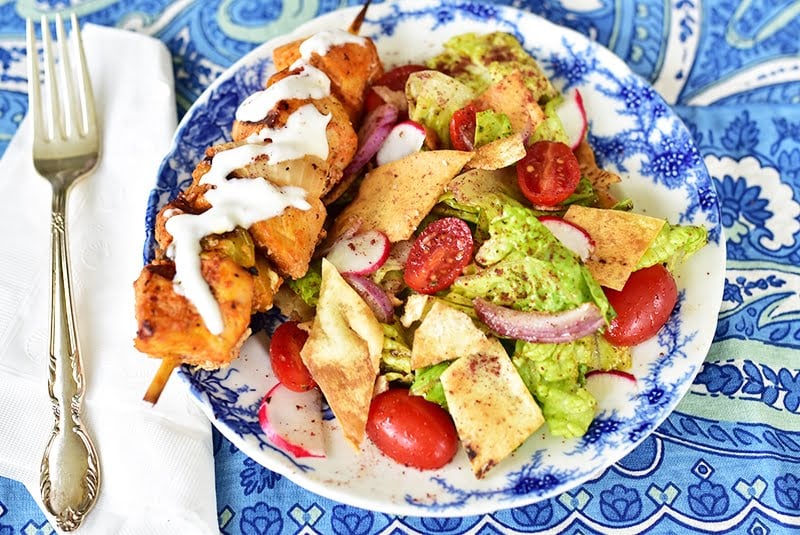
Authentic Lebanese Fattoush: A Fresh, Quick & Crowd-Pleasing Salad
Imagine a salad that's more than just a side dish—a vibrant mosaic of fresh vegetables, aromatic herbs, and crispy toasted pita, all brought together by a zesty, tangy dressing. That's the magic of traditional Lebanese Fattoush salad, a culinary cornerstone of Levantine cuisine that promises a burst of flavor in every bite. Renowned for its refreshing taste and delightful textures, Fattoush is not just a meal; it's an experience, a celebration of simple, fresh ingredients transformed into something truly extraordinary.
Whether you're hosting a gathering, looking for a light lunch, or seeking the perfect accompaniment to a hearty Middle Eastern feast, Fattoush consistently delivers. And the best part? This sensational salad can be prepared in under 30 minutes, making it an ideal choice for busy weeknights or impromptu get-togethers. Forget sad, soggy salads; Fattoush offers a dynamic interplay of crunch, tang, and herbaceous notes that will awaken your palate and leave your guests clamoring for the recipe.
What Makes Traditional Lebanese Fattoush So Special?
Tracing its roots back to the sun-drenched Levantine region, specifically northern Lebanon, Fattoush has evolved into a beloved staple across the Middle East. It embodies the essence of Lebanese hospitality and culinary ingenuity—utilizing fresh, seasonal produce and transforming everyday pantry items into a dish of profound flavor. At its heart, Fattoush is a "bread salad," but it's far more sophisticated than the sum of its parts.
While often compared to its Italian cousin, Panzanella, due to its use of stale bread, Fattoush stands proudly as a distinct entity. The key difference lies not just in the ingredients but in the vibrant, sumac-infused dressing and the unique crunch of the pita. For a deeper dive into their fascinating differences, explore our article: Fattoush vs. Panzanella: Discover the Ultimate Lebanese Bread Salad.
The allure of an authentic Lebanese Fattoush lies in its perfectly balanced contrasts: the crispness of fresh vegetables against the satisfying crunch of toasted pita, the bright acidity of lemon and sumac cutting through the rich olive oil, and the cool freshness of mint complementing the earthy parsley. It's a testament to the power of simple ingredients when treated with respect and combined with a keen understanding of flavor dynamics.
The Essential Components of an Authentic Fattoush
Creating a truly magnificent Fattoush requires attention to its core components. While there's always room for personal flair, adhering to the foundational elements ensures that classic Lebanese flavor profile shines through.
The Crispy Pita – The Heartbeat of Fattoush
The magic of Fattoush truly begins with the humble pita bread. Crucially, authentic Fattoush is made with thin Lebanese pita bread, not the thicker, pocketed Greek-style pita. The thinness allows it to achieve that coveted crispness without becoming heavy or chewy. The pita pieces, traditionally torn or cut into bite-sized triangles, can be:
- Toasted: Brushed lightly with olive oil and baked until golden brown and crisp. This is often the healthier and easiest method.
- Fried: For a more indulgent flavor, pita pieces can be deep-fried until puffed and golden.
- Air-Fried: A modern, healthier alternative to frying, offering excellent crispness with minimal oil.
Whichever method you choose, the goal is a delightful crunch that provides a textural counterpoint to the fresh vegetables.
A Symphony of Fresh Vegetables
The vegetable base of Fattoush is where its vibrant colors and refreshing flavors truly come alive. While flexibility is welcome, certain vegetables are considered staples:
- Lettuce: Romaine lettuce is the undisputed champion for Fattoush due to its sturdy leaves and refreshing crunch. It holds up beautifully to the dressing and other ingredients. While iceberg can be used in a pinch, avoid overly delicate spring mixes that might wilt too quickly.
- Cucumbers: Persian cucumbers are ideal for their crisp texture, thin skin, and minimal seeds. If using larger English cucumbers, consider scooping out the watery seed cavity for a better texture.
- Tomatoes: Ripe, juicy tomatoes are key. Heirloom slicer tomatoes or tomatoes on the vine, chopped into cubes, work wonderfully. If using cherry or grape tomatoes, simply halve them rather than attempting to chop them into smaller pieces.
- Radishes: Thinly sliced radishes add a beautiful peppery bite and a striking splash of color, often included in traditional recipes.
- Bell Peppers: While not always a 'must-have,' finely diced green or red bell peppers (capsicum) contribute extra crunch and a subtle sweetness.
- Onions: Green onions (scallions) are often preferred for their milder flavor, but finely diced red onion can also be used, though it might be a bit stronger. If using red onion, a quick soak in cold water can mellow its intensity.
- Optional additions: Some regional variations might include finely chopped carrots or even pomegranate seeds for an extra burst of sweetness and tang. Consider adding a touch of bitter radicchio, as suggested by some chefs, to perfectly balance the sweetness of other ingredients.
The Aromatic Herbs
These aren't just garnishes; they're foundational flavor builders that infuse the salad with its characteristic freshness:
- Fresh Parsley: A non-negotiable ingredient, providing an earthy, clean, and slightly peppery flavor. Flat-leaf (Italian) parsley is generally preferred.
- Fresh Mint: This herb is transformative, offering a bright, cooling sensation that elevates the entire dish. While some might omit it, its presence is highly recommended for an authentic taste.
- Fresh Dill: While not universally traditional, a small addition of fresh dill, as favored by some, can introduce a unique, anise-like note that pairs wonderfully with the other ingredients.
The Zesty, Tangy Dressing
The soul of Fattoush lies in its simple yet profoundly flavorful dressing, which typically consists of:
- Extra Virgin Olive Oil: A high-quality olive oil forms the base, providing richness and body.
- Fresh Lemon Juice: The indispensable tang that brightens every component.
- Sumac: This vibrant red spice is what truly defines the dressing. Made from dried and ground berries, sumac offers a unique tart, almost lemony flavor with a slightly fruity undertone, making it distinct from lemon juice alone.
- Garlic: Finely minced fresh garlic adds a pungent depth.
- Salt and Black Pepper: To taste, enhancing all the other flavors.
Some recipes might also include a touch of pomegranate molasses for a deeper, sweeter tang, though this is often an optional addition.
Crafting Your Perfect Fattoush: Tips for Success & Customization
Achieving Fattoush perfection is simple, especially with a few practical tips:
- Timing is Key: The cardinal rule of Fattoush is to dress it just before serving. This prevents the pita from becoming soggy and the vegetables from wilting. Prepare all your components separately, and toss them together moments before you're ready to enjoy.
- Uniform Chopping: Aim for roughly uniform, bite-sized pieces for all your vegetables. This ensures an even distribution of flavors and textures in every forkful.
- Crispy Pita, Not Greasy: If frying your pita, ensure it’s drained well on paper towels to avoid a greasy salad. Baking or air-frying can minimize oil significantly.
- Taste and Adjust: Always taste your dressing before adding it to the salad. Adjust lemon, sumac, and salt to your preference.
Fattoush is incredibly forgiving and open to personal touches. For more ideas on how to tailor this amazing salad to your palate, including different ingredient ratios and protein additions, check out our guide: Crafting Your Perfect Fattoush: Ingredients, Pairings & Customization.
This versatile salad pairs beautifully with almost any meal. It's the ultimate sidekick, balancing richer dishes with its fresh acidity. Consider serving it alongside:
- Grilled meats like Chicken Shish Tawook or Beef Kafta Kebabs.
- Stuffed pitas such as Arayes.
- Lemon Garlic Chicken for a complete Lebanese feast.
- As a fresh counterpoint to creamy dips like hummus or baba ghanoush.
- Even as a light main course on its own, especially with added protein like grilled chicken or chickpeas.
Why Fattoush Deserves a Spot on Your Table
Beyond its incredible taste and quick preparation time, Fattoush offers numerous benefits. It's a remarkably healthy dish, packed with fresh vegetables, healthy fats from olive oil, and vibrant antioxidants from sumac. It's naturally plant-based (when made without added meat), making it suitable for a wide range of dietary preferences. Its refreshing nature makes it perfect for warm weather, but its hearty components ensure it's satisfying year-round.
More than just a recipe, Fattoush is a celebration of freshness, flavor, and tradition. It's a reminder that some of the most delicious meals are born from simple, wholesome ingredients. Bringing a bowl of Fattoush to your table is like bringing a piece of Lebanese sunshine, promising a joyful and satisfying culinary experience for everyone.
Traditional Lebanese Fattoush salad is more than just a salad; it's an experience—a vibrant testament to the power of fresh ingredients, thoughtful preparation, and a rich culinary heritage. Its quick assembly, dynamic flavors, and crowd-pleasing appeal make it an essential addition to any home cook's repertoire. So, gather your fresh produce, crisp your pita, and prepare to embark on a delightful culinary journey that will leave you refreshed, satisfied, and perhaps, a little bit in love with Lebanese cuisine.
