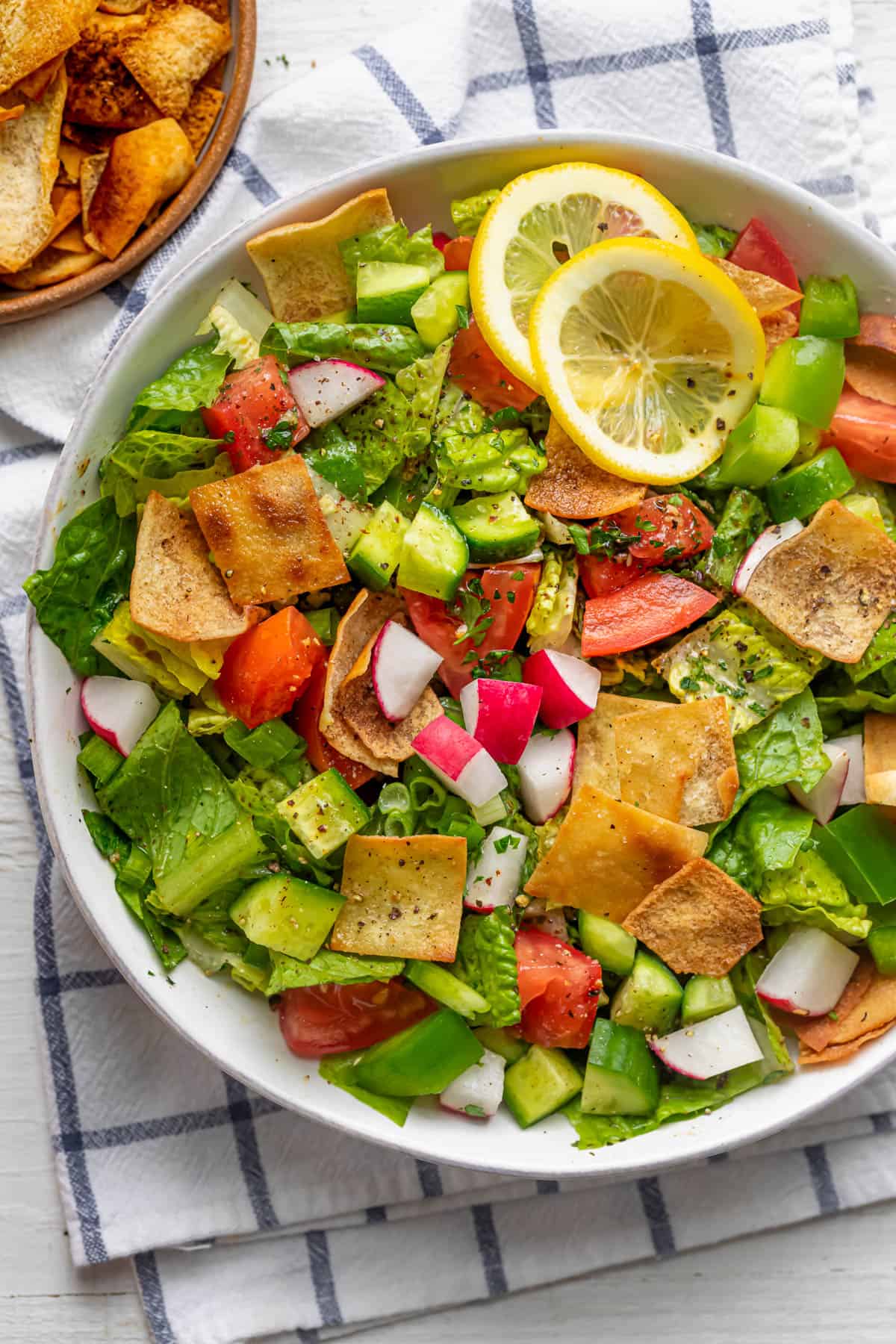
The Timeless Appeal of Traditional Lebanese Fattoush Salad
Few dishes capture the essence of Levantine cuisine quite like traditional Lebanese Fattoush salad. A vibrant symphony of fresh vegetables, aromatic herbs, and crunchy toasted pita bread, all brought together by a zesty, sumac-laced dressing, Fattoush is more than just a salad—it's a culinary experience. Whether served as a refreshing side, a hearty appetizer, or a light meal on its own, its bright flavors and delightful textures make it an instant crowd-pleaser and a staple in Lebanese households worldwide.
A Culinary Journey: Origins and Heritage
The story of Fattoush begins in the sun-drenched Levantine region, an area rich in history and gastronomic tradition, encompassing countries like Lebanon, Syria, Jordan, and Palestine. While its popularity spans across these nations, culinary consensus often points to northern Lebanon as the birthplace of this iconic bread salad. Born out of a resourceful tradition of using day-old pita bread, Fattoush transforms humble ingredients into something extraordinary.
In many ways, Fattoush shares a familial resemblance with other bread salads found across the Mediterranean, most notably the Italian Panzanella. Both leverage stale bread, giving it a new life and textural appeal within a fresh salad. However, the distinct use of thin Lebanese pita, often toasted or fried to a golden crisp, along with unique Middle Eastern herbs and spices, sets Fattoush apart. To delve deeper into this fascinating comparison, explore our article on Fattoush vs. Panzanella: Discover the Ultimate Lebanese Bread Salad.
Why Fattoush Stands Out
What makes a traditional Lebanese Fattoush salad so universally beloved? Its allure lies in its perfect balance of:
- Freshness: Packed with crisp vegetables and vibrant herbs, it delivers an invigorating burst of flavor.
- Texture: The interplay between crunchy pita, crisp lettuce, juicy tomatoes, and firm cucumbers is simply irresistible.
- Versatility: It pairs beautifully with a vast array of dishes, from rich grilled meats to light Mediterranean fare.
- Simplicity: Despite its gourmet appeal, a fantastic Fattoush can be prepared in under 30 minutes using readily available ingredients and a couple of Middle Eastern pantry essentials.
Essential Ingredients for an Authentic Fattoush Experience
Crafting the perfect Fattoush begins with selecting the right components. While there's room for personalization, a core set of ingredients forms the backbone of an authentic recipe.
The Star: Crispy Lebanese Pita Bread
The defining feature of Fattoush is, without a doubt, the crispy pieces of pita bread. Crucially, opt for thin Lebanese pita bread. Thicker Greek-style pitas tend to be too doughy and won't achieve the desired crispness. You can prepare your pita in two primary ways:
- Toasted: Brush with a little olive oil, tear into bite-sized pieces, and bake until golden brown and crisp. This method is healthier and still delivers excellent crunch.
- Fried: For a more indulgent and traditional approach, deep-fry the pita pieces until golden. This imparts an unparalleled richness and crunch.
Regardless of the method, the goal is to achieve delightful, crunchy "croutons" that soak up some of the dressing without becoming soggy too quickly.
A Medley of Fresh Vegetables
The vegetable base is where Fattoush truly shines, offering a rainbow of colors and flavors. Emphasis on fresh, ripe produce is key.
- Lettuce: Romaine lettuce is the classic choice due to its crisp texture and ability to hold up against other hearty ingredients and the dressing. While iceberg lettuce can work in a pinch, it lacks the depth and sturdiness of romaine. Many enthusiasts avoid delicate spring mixes, as they can wilt too quickly. Some recipes, including modern twists, incorporate bitter greens like radicchio to balance the sweetness of other ingredients.
- Cucumbers: Persian cucumbers are ideal for their thin skin, minimal seeds, and firm texture. English cucumbers are a good alternative, though you might consider scooping out the seed cavity if they are particularly watery.
- Tomatoes: Ripe, juicy tomatoes are a must. Heirloom slicer tomatoes or tomatoes on the vine, chopped into neat cubes, work wonderfully. If using smaller varieties like cherry or grape tomatoes, simply halve them instead of trying to chop them finely.
- Radishes and Bell Peppers: Sliced radishes add a pungent, peppery bite and a beautiful pink hue, while finely diced bell peppers (capsicum) – often red or green – contribute sweetness, crunch, and vibrant color. These additions enhance both the visual appeal and textural complexity of the salad.
The Aromatic Fresh Herbs
Herbs are the fragrant heart of Fattoush, infusing it with unparalleled freshness.
- Parsley: Fresh flat-leaf parsley is non-negotiable, providing an earthy, slightly peppery note and a beautiful green backdrop.
- Mint: Fresh mint leaves are equally crucial, imparting a cool, refreshing, and distinctly Lebanese flavor that brightens the entire salad. While some might omit it, its presence is a hallmark of authentic Fattoush.
- Dill: For an extra layer of herbaceousness, finely chopped fresh dill can be a delightful addition, offering a subtle anise-like aroma that complements the other ingredients beautifully.
- Onions: Green onions (scallions) are often preferred for their milder flavor. However, finely sliced red onion can also be used, though you might want to soak it in cold water briefly to temper its pungency.
The Zesty Fattoush Dressing: The Soul of the Salad
The dressing is arguably the most critical component, tying all the vibrant ingredients together with its tangy, zesty punch. A classic Fattoush dressing is simple yet incredibly effective:
- Fresh Lemon Juice: The cornerstone of the dressing, providing essential brightness and tang.
- Extra Virgin Olive Oil: A good quality olive oil is vital for flavor and to emulsify the dressing.
- Sumac: This deep red, tangy spice is indispensable. It's what gives Fattoush its distinctive sour, slightly fruity flavor and beautiful color. Do not skip it!
- Salt and Black Pepper: To taste, enhancing all the other flavors.
- Optional Enhancements: A tiny crushed garlic clove can add depth, while a drizzle of pomegranate molasses can introduce a subtle sweet-tart complexity, often found in regional variations.
Mastering Your Fattoush: Customization and Perfect Pairings
While the traditional recipe is a masterpiece, Fattoush is also wonderfully adaptable. Its forgiving nature allows for creative twists and personalized touches, making it a perfect dish for any occasion.
Personalizing Your Plate: Beyond the Traditional
The beauty of Fattoush lies in its flexibility. Feel free to play around with ingredients to suit your taste or what's seasonally available:
- Greens: While romaine is standard, consider adding a handful of peppery arugula or even baby spinach for varied texture and flavor.
- Vegetables: Experiment with adding other crisp vegetables like finely shredded cabbage, grilled zucchini, or even roasted chickpeas for an extra layer of protein and earthiness.
- Herbs: Beyond parsley, mint, and dill, a sprinkle of fresh oregano or marjoram can offer an interesting Mediterranean twist.
- Protein Boosts: For a heartier main course salad, consider adding grilled halloumi cheese, shredded chicken, or even crumbled feta.
- Dressing Variations: While the sumac-lemon dressing is classic, a touch of red wine vinegar alongside the lemon, or a spoonful of tahini for a creamy texture, can introduce new dimensions.
For more innovative ideas and a deeper dive into making this dish truly your own, check out our comprehensive guide on Authentic Lebanese Fattoush: A Fresh, Quick & Crowd-Pleasing Salad.
The Ultimate Sidekick: Pairing Fattoush with Lebanese Delights
Fattoush is renowned as the ultimate sidekick, balancing rich flavors and adding a refreshing counterpoint to a myriad of dishes. Its versatility makes it suitable for almost any meal.
- Grilled Meats: It's a natural partner for quintessential Lebanese grilled dishes like succulent Chicken Shish Tawook, flavorful Beef Kafta Kebabs, or the delectable Meat Stuffed Pitas known as Arayes. The salad's acidity cuts through the richness of the meat, cleansing the palate.
- Roasted Poultry: Serve it alongside Lemon Garlic Chicken for a complete and authentic Lebanese feast.
- Hearty Stews and Kibbeh: Fattoush provides a much-needed freshness against heavier dishes like stews or various forms of kibbeh.
- Light Appetizer or Meal: On its own, Fattoush makes for a fantastic light lunch or a refreshing appetizer, especially on a warm day.
Pro Tips for the Best Fattoush Every Time
- Freshness is Paramount: Always use the freshest possible vegetables and herbs. This makes a significant difference in flavor and texture.
- Pita Prep: Whether toasting or frying, ensure your pita pieces are uniformly crisp. Allow them to cool completely before adding to the salad to maintain maximum crunch.
- Dress Just Before Serving: This is perhaps the most crucial tip. To prevent the pita from becoming soggy and the greens from wilting, toss the salad with the dressing no more than 10-15 minutes before serving. If preparing ahead, keep the dressing separate and combine at the last moment.
- Dice Uniformly: Aim for roughly uniform dicing of your vegetables. This ensures an even distribution of flavors and makes for a more pleasant eating experience.
- Adjust Seasoning: Taste your dressing before adding it to the salad, and adjust lemon, salt, and sumac as needed. Some prefer a tangier dressing, others a milder one.
The traditional Lebanese Fattoush salad is a testament to the power of fresh, simple ingredients elevated by thoughtful preparation and vibrant seasoning. It’s a dish that embodies the warmth and hospitality of Lebanese culture, offering a burst of sunshine in every bite. Whether you're a seasoned chef or a home cook looking to explore new flavors, mastering Fattoush is a rewarding culinary endeavor that promises to impress.
