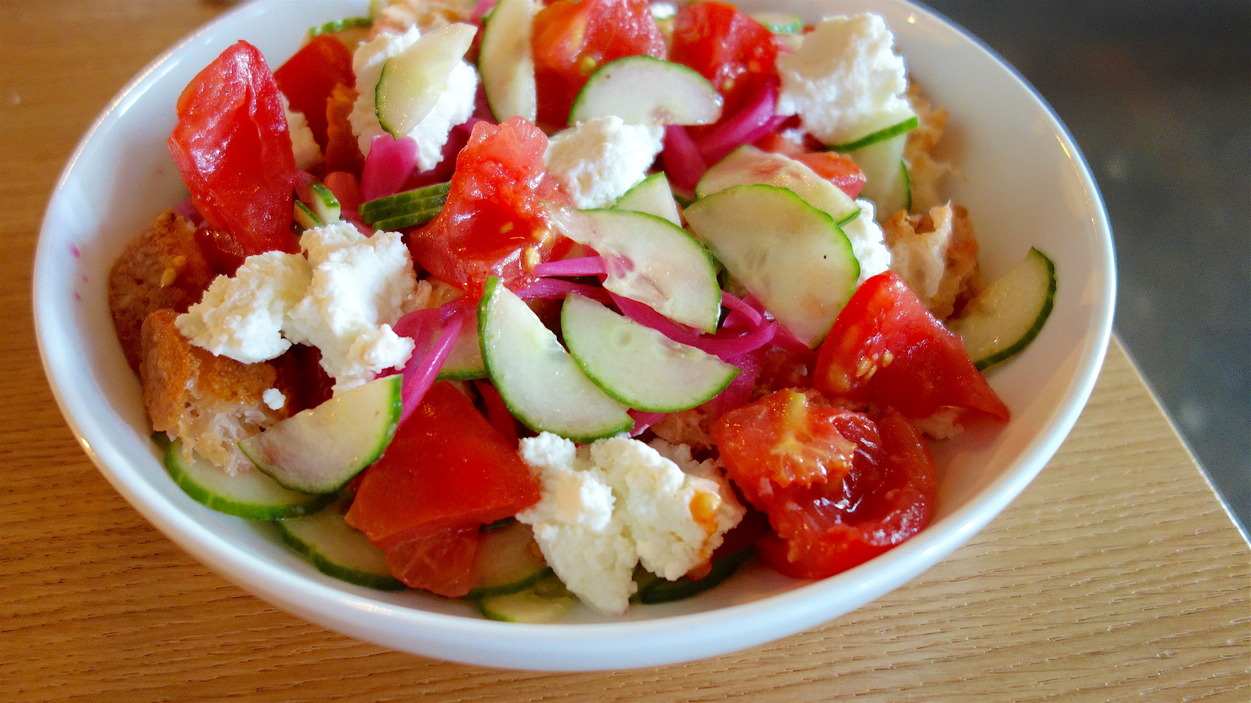
Fattoush vs. Panzanella: Discover the Ultimate Lebanese Bread Salad
Bread salads have a storied history across various culinary traditions, offering a delightful way to repurpose stale bread while creating fresh, vibrant dishes. Among the most celebrated are Italy's rustic Panzanella and the Middle East's zesty Fattoush. While both share the core concept of combining bread with fresh produce, they diverge beautifully in flavor profiles, textures, and cultural significance. This article delves into the origins and unique characteristics of these two iconic salads, ultimately spotlighting the unparalleled charm of the
traditional Lebanese Fattoush salad. Prepare to embark on a flavorful journey that explores the crisp, tangy allure of this Levantine masterpiece and how it stands apart in the world of bread salads.
The Heart of the Levant: Unpacking Traditional Lebanese Fattoush
The story of Fattoush is deeply rooted in the Levantine region, an area encompassing modern-day Lebanon, Syria, Jordan, and Palestine. While its exact origins are debated, many culinary historians credit northern Lebanon as the birthplace of this iconic dish. It emerged as a resourceful way for families to utilize leftover pieces of pita bread, transforming them into a refreshing and economical meal. Today, Fattoush is far more than just a means to an end; it's a vibrant cornerstone of Middle Eastern cuisine, beloved for its fresh, dynamic flavors and satisfying crunch.
What truly defines a
traditional Lebanese Fattoush salad? At its core, it's a brilliant symphony of fresh vegetables, aromatic herbs, crispy fried or toasted pita bread, and a distinctive tangy dressing. Unlike its European counterparts, Fattoush prioritizes freshness and a bright, zesty profile.
Essential Ingredients for an Authentic Fattoush
- Pita Bread: This is non-negotiable. Authentic Fattoush demands thin Lebanese pita bread, not the thicker Greek-style varieties. The pita is typically torn into pieces, then either fried until golden and crisp or baked/toasted to achieve a similar crunch. This crispy element is crucial, providing a delightful textural contrast to the soft vegetables.
- Crisp Lettuce: Romaine lettuce is the top choice, providing a sturdy, crisp base that holds up well to the dressing and other hearty ingredients. While some might opt for iceberg in a pinch, delicate spring mixes or mesclun are generally avoided, as they lack the necessary structure. Some variations also introduce bitter radicchio, which beautifully offsets the sweetness of other components.
- Fresh Vegetables: A colorful medley typically includes ripe tomatoes (heirloom or on-the-vine varieties chopped into cubes, or halved cherry/grape tomatoes), and crisp cucumbers. Persian cucumbers are a popular choice for their thin skin and minimal seeds, though English cucumbers can also be used, often with seeds scooped out. Radishes and bell peppers (capsicum) are also frequent and welcome additions, adding further crunch and a peppery bite.
- Aromatic Herbs: Fresh parsley and mint are quintessential. Parsley offers an earthy, green foundation, while mint injects a burst of cool, refreshing flavor that is characteristic of Lebanese cuisine. Some recipes, including modern adaptations, might also incorporate dill for an extra layer of herbaceous complexity. Green onions (scallions) are often preferred over stronger red or white onions for their milder flavor.
- The Tangy Dressing: This is where Fattoush truly shines. The dressing is typically a simple yet potent vinaigrette made with fresh lemon juice, olive oil, and often a generous sprinkle of sumac. Sumac, a deep red spice with a tart, slightly fruity flavor, is pivotal in achieving Fattoush's signature tang. A touch of garlic and dried mint can also be incorporated for added depth.
Fattoush is incredibly versatile. It can serve as a refreshing side dish to rich grilled meats like Chicken Shish Tawook or Beef Kafta Kebabs, a light appetizer, or even a satisfying meal on its own. Its ability to balance heavier dishes makes it the ultimate culinary sidekick. For more detailed insights into crafting this exquisite dish, consider exploring
Authentic Lebanese Fattoush: A Fresh, Quick & Crowd-Pleasing Salad.
A Taste of Tuscany: Understanding Italian Panzanella
Across the Mediterranean, Italy offers its own beloved bread salad: Panzanella. Hailing from the rustic kitchens of Tuscany, Panzanella is a testament to Italian ingenuity in transforming simple ingredients into a dish bursting with flavor. Unlike Fattoush's emphasis on crispy pita, Panzanella traditionally utilizes stale, day-old bread, often a crusty ciabatta or Tuscan loaf. The bread is typically soaked in water, squeezed dry, and then torn into pieces, allowing it to absorb the juices of the fresh vegetables and the olive oil dressing, resulting in a wonderfully chewy and robust texture.
The primary focus of Panzanella is on ripe, seasonal tomatoes, which release their sweet and acidic juices to meld with the bread. Alongside tomatoes, common ingredients include red onion, fresh basil leaves, cucumbers, and sometimes capers or olives for an extra briny kick. The dressing is typically a straightforward affair of high-quality olive oil and a good red wine vinegar, allowing the natural flavors of the produce to shine through. Panzanella embodies the spirit of Italian cucina povera – "poor cooking" – where humble ingredients are elevated to create dishes of profound deliciousness.
Fattoush vs. Panzanella: A Culinary Showdown
While both Fattoush and Panzanella are celebrated bread salads, their distinct characteristics create vastly different culinary experiences. Understanding these differences illuminates the unique appeal of each.
Bread and Texture
- Fattoush: The bread component – thin Lebanese pita – is typically fried or toasted until shatteringly crisp. This provides a light, airy crunch that contrasts beautifully with the soft, fresh vegetables. The pita is usually added just before serving to maintain its crispness.
- Panzanella: In contrast, Panzanella utilizes stale, rustic Italian bread that is softened and then allowed to soak up the vegetable juices and dressing. The texture is hearty, chewy, and somewhat substantial, acting as a sponge for the rich flavors.
Flavor Profile
- Fattoush: Known for its bright, tangy, and refreshingly zesty profile. The dominant flavors come from fresh lemon juice, sumac, and vibrant herbs like mint and parsley. There's often a subtle bitterness from elements like radicchio and a peppery kick from radishes.
- Panzanella: Offers a more robust, savory, and umami-rich experience. The star is typically the sweet acidity of ripe tomatoes, complemented by the pungency of red onion, the herbaceous notes of basil, and the richness of olive oil.
Vegetable Composition
- Fattoush: Features a diverse array of fresh vegetables and herbs, often including romaine, cucumbers, tomatoes, radishes, bell peppers, green onions, parsley, and mint. The variety contributes to its colorful and visually appealing presentation.
- Panzanella: Tends to be simpler, focusing on a core trio of ripe tomatoes, red onion, and basil, sometimes augmented with cucumbers, capers, or olives. The emphasis is on the quality of a few key ingredients.
Dressing
- Fattoush: A vibrant, tangy vinaigrette primarily based on fresh lemon juice, olive oil, and sumac, often with garlic and dried mint.
- Panzanella: A simpler dressing of good quality olive oil and red wine vinegar, allowing the natural juices of the tomatoes to become a significant part of the "sauce."
In essence, Fattoush is light, crisp, and bursting with citrusy, herbaceous zest, making it a perfect foil for rich dishes or a refreshing stand-alone. Panzanella, on the other hand, is hearty, savory, and comforting, a celebration of summer's bounty.
Beyond the Basics: Customizing Your Bread Salad Experience
While both Fattoush and Panzanella have traditional compositions, their adaptability is part of their enduring appeal. Customizing these salads allows for endless culinary creativity, catering to personal preferences and seasonal availability.
For your
traditional Lebanese Fattoush salad, don't shy away from experimentation while respecting its core identity. You can adjust the ratios of your favorite greens, perhaps adding more radicchio for a pleasant bitterness or increasing the amount of fresh mint for extra coolness. Bell peppers (capsicum) are a popular addition, bringing sweetness and crunch. For a heartier meal, consider topping your Fattoush with grilled chicken, halloumi cheese, or even chickpeas for a vegetarian protein boost. Remember that the quality of your ingredients directly impacts the final taste, so opt for the freshest produce available. For comprehensive ideas on how to personalize your Fattoush, check out
Crafting Your Perfect Fattoush: Ingredients, Pairings & Customization.
Panzanella, too, offers scope for customization. While tomatoes remain central, you might add grilled zucchini, roasted bell peppers, or even artichoke hearts. Olives and capers can be adjusted to your taste, and some modern versions incorporate mozzarella or feta cheese for added creaminess or saltiness. The key to both salads is to ensure a balance of flavors and textures, with the bread playing a starring role, whether crispy or soaked.
Practical Tips for Perfect Bread Salads:
- Ingredient Freshness: This cannot be overstated. The success of both salads hinges on vibrant, ripe vegetables and fragrant herbs.
- Pita Preparation (Fattoush): If frying pita, ensure the oil is hot enough for a quick, even crisp, then drain thoroughly on paper towels. If baking, a light brush of olive oil and a moderate oven will yield perfect results.
- Dressing Balance: Always taste and adjust your dressing. For Fattoush, this means ensuring the right punch of lemon and sumac. For Panzanella, it’s about the perfect ratio of olive oil and vinegar.
- Serving Time: Fattoush is best assembled and served immediately to preserve the crispness of the pita. Panzanella, however, often benefits from sitting for 15-30 minutes, allowing the stale bread to properly soak up the juices and flavors.
Conclusion
Whether you're drawn to the sun-drenched flavors of Tuscany or the vibrant zest of the Levant, bread salads offer a truly rewarding culinary experience. While Panzanella provides a hearty, rustic embrace of summer's bounty, the
traditional Lebanese Fattoush salad stands out for its exceptional freshness, vibrant tang, and satisfying interplay of textures. It's more than just a salad; it's a celebration of resourcefulness, flavor, and the rich culinary heritage of Lebanon. We encourage you to explore both, but prepare to be captivated by the refreshing and invigorating charm of Fattoush – a truly ultimate bread salad experience.